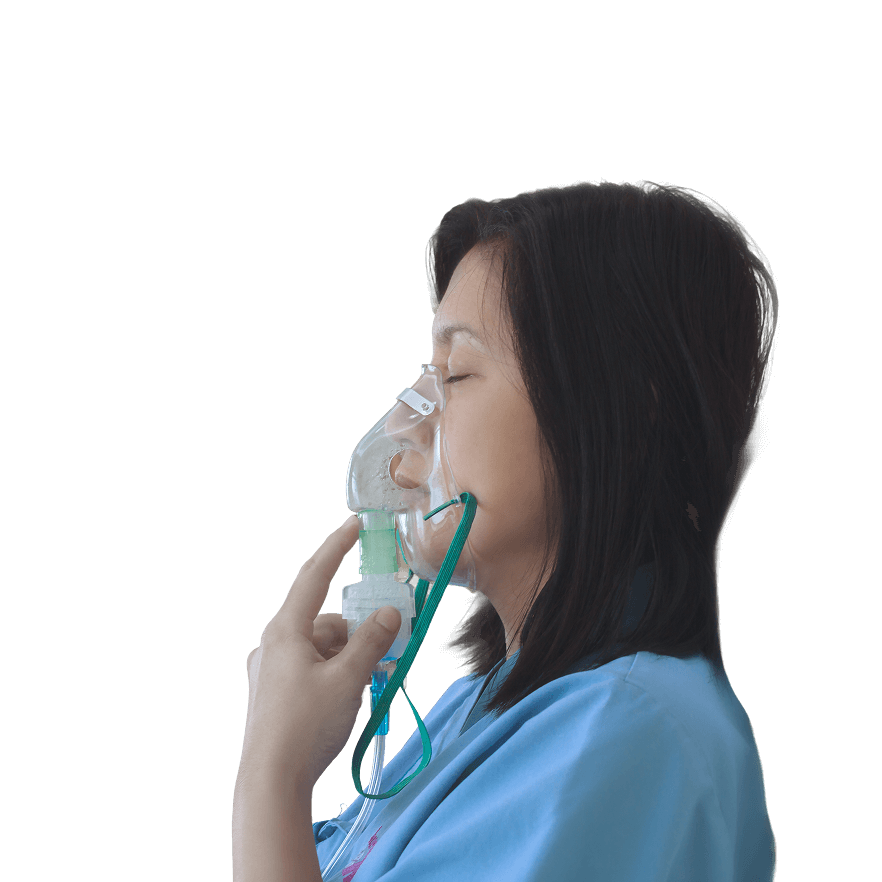

RSV from a Medical Perspective

What is RSV?

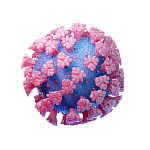
Respiratory syncytial virus (RSV) is a common virus with two main subtypes: RSV-A and RSV-B 1.
It can cause a range of respiratory illnesses—from mild upper respiratory tract infections to more severe lower respiratory conditions such as bronchiolitis (in infants) and pneumonia 3.

TRANSMISSION
MECHANISMS2

Person-to-person contact via droplets from coughing and sneezing.
Close interactions such as kissing, hugging, or handshakes.
Touching contaminated surfaces like doorknobs or toys.

SEVERITY4,5

In healthy adults and older children, RSV typically causes mild, cold-like symptoms 4.
However, in high-risk groups, RSV can lead to serious complications such as hospitalization, pneumonia, middle ear infections, and asthma4.
Reinfection with RSV is possible multiple times, as natural immunity does not last long 5.
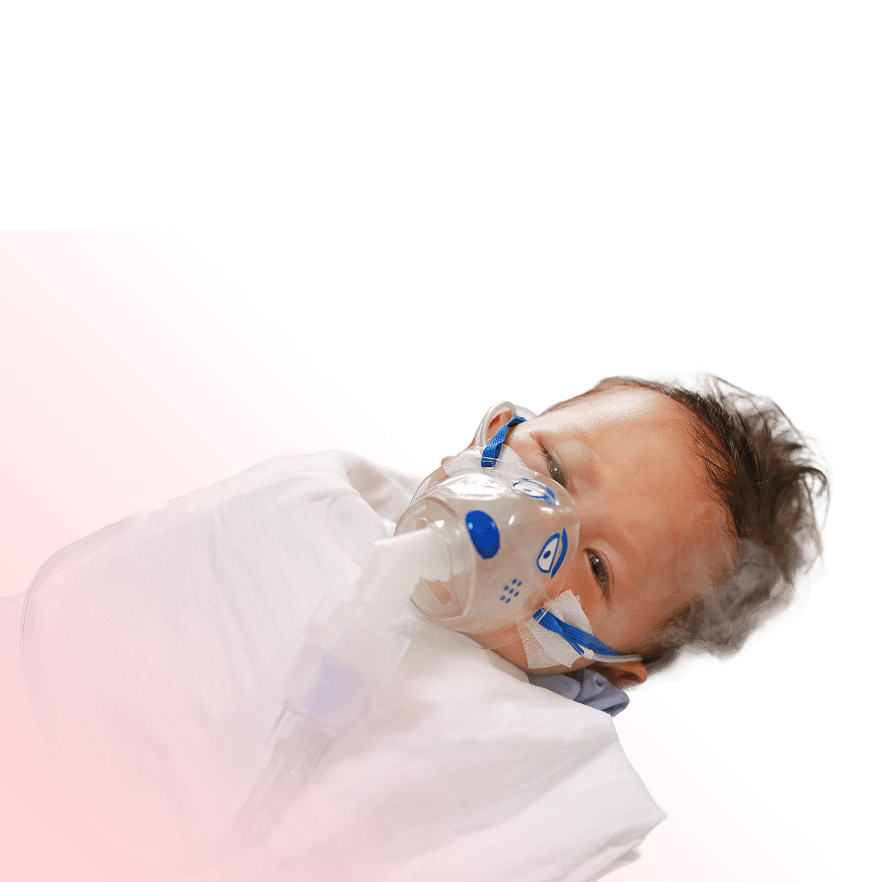
Burden of disease
in children under 5 years old
3,6 million hospitalizations
globally each year. 6
100.000 deaths
globally each year 6
75% of RSV-related hospitalizations
occur in individuals who were previously healthy and had no underlying conditions⁸ (Based on 115,000 RSV hospitalizations in Australia from 2016–2019).
$28,586
per inpatient treatment episode for infants in the U.S. 7
virus-big
baby
virus-small

Image is for illustration purposes only
Burden of disease
in older adult over 60 years old
160.000 hospitalizations
occur annually
(Data recorded in adults aged 65 and older in the U.S.) 6
10.000 deaths
occur annually
(Data recorded in adults aged 65 and older in the U.S.) 6
$8,983 is the highest cost per hospitalization
This is the average direct medical cost—including ICU, nursing, pharmaceuticals, therapy, emergency department services, lab tests, imaging, and other expenses—for each RSV-related hospitalization.
(Data recorded in adults aged ≥65 in the U.S.) 8
virus-big
older
virus-smaill

Image is for illustration purposes only
Burden on family
Reduces health-related quality of life. 9
Causes disruption to daily activities, caregiving, and work for family members. 9
virus-big
family
virus-smaill

Image is for illustration purposes only
EVERYONE IS AT RISK OF RSV INFECTION

Protecting yourself and your loved ones from RSV is the foundation for building a healthy and happy life.
baby
baby-sp
Infants and young children 11
middle-aged
middle-aged-sp
Individuals with underlying health conditions 10, such as:
  • Chronic heart disease
  • Chronic lung disease (COPD)
  • End-stage renal disease or those undergoing dialysis
  • Complicated diabetes
  • Chronic liver disease (cirrhosis)
  • Chronic hematologic conditions (e.g., sickle cell disease, thalassemia)
  • Severe obesity
  • Moderate to severe immunodeficiency
elderly
elderly-sp
Older adults 10

Image is for illustration purposes only
Currently, there is no specific treatment
for RSV in any age group! 2

Natural immunity after RSV infection is short-lived, and reinfection can occur throughout life 5.
REFERENCE
  1. 1. Nuttens, C., Moyersoen, J., Curcio, D., Aponte-Torres, Z., Baay, M., Vroing, H., Gessner, B. D., & Begier, E. (2024). Differences Between RSV A and RSV B Subgroups and Implications for Pharmaceutical Preventive Measures. Retrieved from https://doi.org/10.1007/s40121-024-01012-2
  2. 2. Yale Medicine. (2025). RSV (Respiratory Syncytial Virus) – Fact Sheets. Accessed August 18, 2025, from https://www.yalemedicine.org/conditions/rsv-respiratory-syncytial-virus
  3. 3. Mayo Clinic. (2025). Respiratory syncytial virus (RSV) - Symptoms & causes. Accessed June 10, 2025, from https://www.mayoclinic.org/diseases-conditions/respiratory-syncytial-virus/symptoms-causes/syc-20353098
  4. 4. National Centre for Immunisation Research and Surveillance (NCIRS). (2025). Respiratory syncytial virus (RSV) FAQs. Accessed June 9, 2025, from https://ncirs.org.au/ncirs-fact-sheets-faqs-and-other-resources/respiratory-syncytial-virus-rsv-frequently-asked
  5. 5. Immunisation Foundation of Australia. (2025). Unite Against RSV - About RSV. Accessed June 10, 2025, from https://www.ifa.org.au/uniteagainstrsv/aboutrsv
  6. 6. World Health Organization (WHO). (2024). Respiratory syncytial virus (RSV) – Fact Sheet. Accessed June 9, 2025, from https://www.who.int/news-room/fact-sheets/detail/respiratory-syncytial-virus-(rsv)
  1. 7. Tran, P. T., Nduaguba, S. O., Wang, Y., Diaby, V., Finelli, L., Choi, Y., & Winterstein, A. G. (2024). Economic Burden of Medically Attended Respiratory Syncytial Virus Infections Among Privately Insured Children Under 5 Years of Age in the USA. Retrieved from https://doi.org/10.1111/irv.13347
  2. 8. The American Journal of Managed Care (AJMC). (2024). RSV Infection Imparts Substantial Economic Burden in All Age Groups. Accessed June 10, 2025, from https://www.ajmc.com/view/rsv-infection-imparts-substantial-economic-burden-in-all-age-groups
  3. 9. Trautmannsberger, I., Plagg, B., Adamek, I., Mader, S., de Luca, D., Esposito, S., Silfverdal, S. A., Zimmermann, L. J. I., Tischer, C., & ResQ Family study group. (2024). The Multifaceted Burden of Respiratory Syncytial Virus (RSV) Infections in Young Children on the Family: A European Study. Retrieved from https://www.ncbi.nlm.nih.gov/pmc/articles/PMC11219685/
  4. 10. Centers for Disease Control and Prevention (CDC). (2025). Clinical Overview of RSV. Accessed August 18, 2025, from https://www.cdc.gov/rsv/hcp/clinical-overview/index.html
  5. 11. Sydney Children’s Hospitals Network. (2025). Respiratory syncytial virus (RSV) factsheet. Accessed June 9, 2025, from https://www.schn.health.nsw.gov.au/respiratory-syncytial-virus-rsv-factsheet
  6. 12. Immunize.org (2025). RSV (Respiratory Syncytial Virus) Accessed September 8, 2025, from https://www.immunize.org/vaccines/vis/rsv/